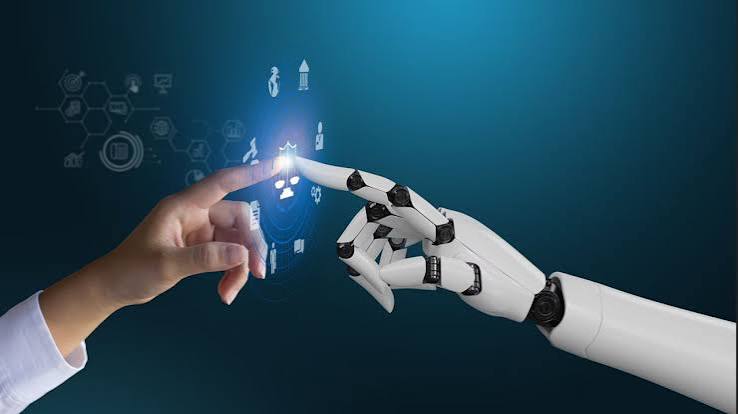
Artificial Intelligence (AI) is changing everyday life faster than ever. Today, AI powers smartphones, smart homes, online shopping, healthcare, education, and transportation. As technology evolves, AI will become even more helpful, efficient, and accessible. Therefore, understanding its future is essential for individuals and businesses alike.
What Is Artificial Intelligence?
Artificial Intelligence refers to computer systems that perform tasks requiring human intelligence. These tasks include learning, problem-solving, language understanding, and decision-making. Moreover, AI continues to improve through machine learning and advanced data analysis.
Today, AI appears in virtual assistants, recommendation systems, facial recognition, and automated customer support. Consequently, millions of people use AI every day without realizing it.
AI in Smart Homes
Smart homes will become more intelligent in the coming years. AI-powered devices will learn user habits and respond automatically. For example, smart thermostats will adjust room temperatures based on daily routines.
Additionally, AI security systems will recognize family members while detecting unusual activity. Smart lighting will also reduce energy consumption by responding to occupancy. As a result, homes will become safer, more comfortable, and energy-efficient.
The Future of AI in Healthcare
Healthcare will benefit greatly from Artificial Intelligence. AI systems will help doctors detect diseases earlier and recommend personalized treatments. Furthermore, wearable devices will monitor health continuously.
Patients will receive real-time health alerts before conditions become serious. Meanwhile, hospitals will use AI to improve patient management and reduce waiting times. Therefore, healthcare services will become faster and more accurate.
Artificial Intelligence in Education
Education will experience major improvements through AI-powered learning platforms. Students will receive personalized lessons based on their strengths and weaknesses. Moreover, AI tutors will provide instant feedback and learning support.
Teachers will save time by automating grading and administrative tasks. Consequently, they can focus more on teaching and student development. AI will also make quality education available to learners worldwide.
Smarter Transportation with AI
Transportation will become safer and more efficient through Artificial Intelligence. Self-driving vehicles will continue to improve with advanced AI systems. Additionally, traffic management software will reduce congestion in busy cities.
Navigation apps will predict traffic conditions more accurately. Public transportation will also benefit from optimized routes and schedules. Therefore, people will enjoy shorter travel times and greater convenience.
AI in Business and Customer Service
Businesses already rely on AI to improve productivity and customer satisfaction. In the future, AI will automate repetitive tasks while supporting better decision-making. Moreover, intelligent chatbots will provide faster customer assistance around the clock.
Companies will analyze customer behavior more effectively using AI-driven insights. As a result, businesses will deliver personalized products and services. This approach will improve customer loyalty and increase operational efficiency.
The Future of AI in Entertainment
Entertainment platforms will continue using AI to recommend movies, music, and games. However, future systems will understand personal preferences even better. Therefore, users will enjoy highly personalized experiences.
Content creators will also use AI tools for editing videos, generating ideas, and enhancing creativity. Consequently, production quality will improve while reducing development time.
Artificial Intelligence and the Workplace
AI will reshape the future workplace by automating repetitive tasks. Employees will spend more time on creative thinking and strategic planning. Furthermore, AI-powered assistants will improve communication and project management.
Although some jobs will change, new career opportunities will also emerge. Therefore, learning AI-related skills will become increasingly valuable in every industry.
Challenges of Artificial Intelligence
Despite its advantages, AI also presents important challenges. Data privacy remains a major concern for users worldwide. Additionally, organizations must ensure ethical AI development and responsible decision-making.
Governments and technology companies should work together to create fair regulations. Meanwhile, transparency will build greater public trust in AI systems.
How AI Will Shape Daily Life
Artificial Intelligence will become part of almost every daily activity. Smart assistants will manage schedules, shopping, finances, and household tasks. Moreover, AI-powered devices will communicate seamlessly with each other.
People will save time while enjoying greater convenience and improved productivity. Consequently, AI will enhance both personal and professional life in meaningful ways.
Conclusion
The future of Artificial Intelligence in everyday life looks promising and transformative. AI will improve healthcare, education, transportation, business, entertainment, and home automation. Furthermore, it will simplify daily routines while increasing efficiency and personalization.
Although challenges remain, responsible innovation will unlock AI’s full potential. Therefore, embracing Artificial Intelligence today will prepare individuals and organizations for a smarter, more connected future.